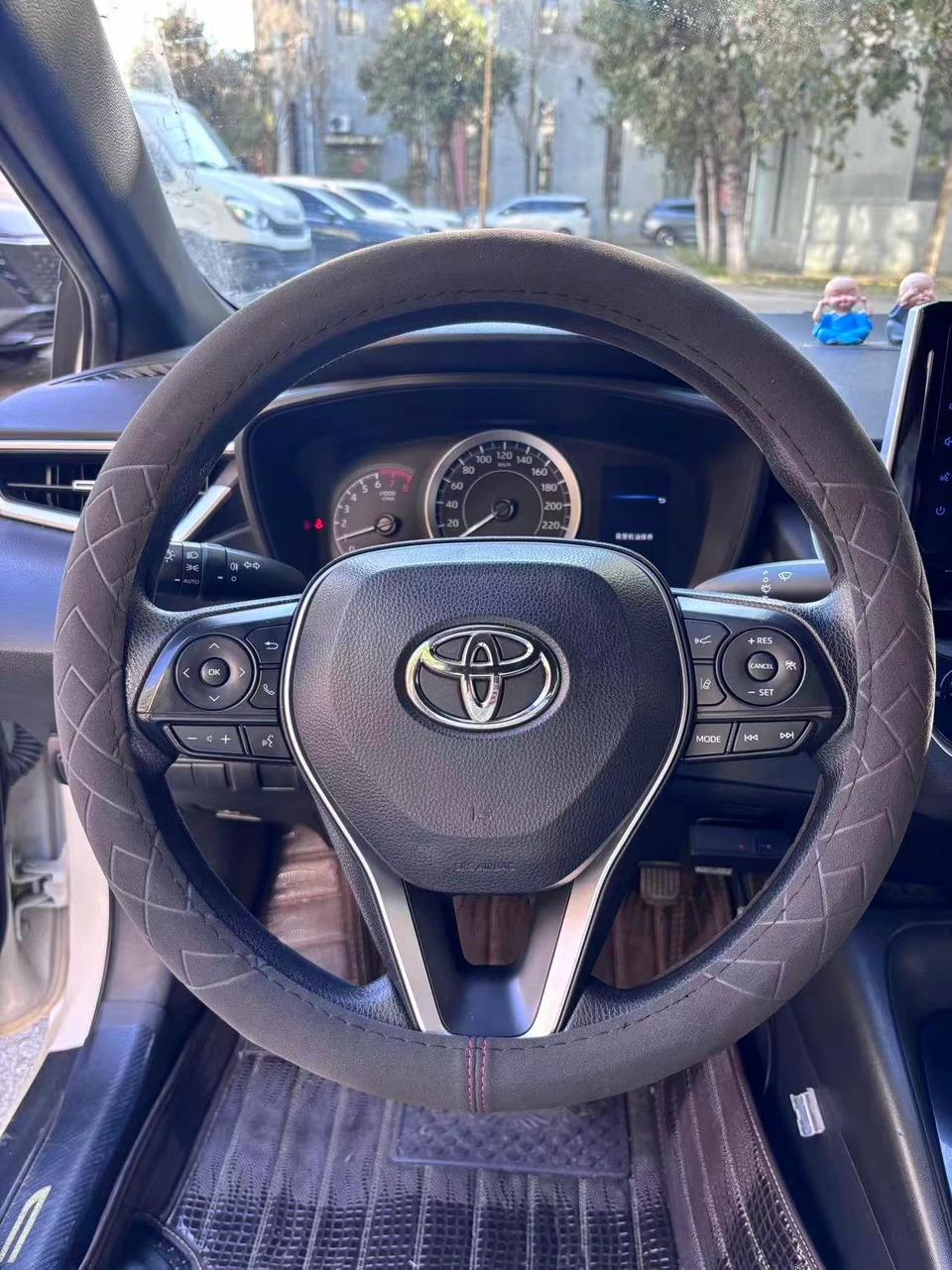
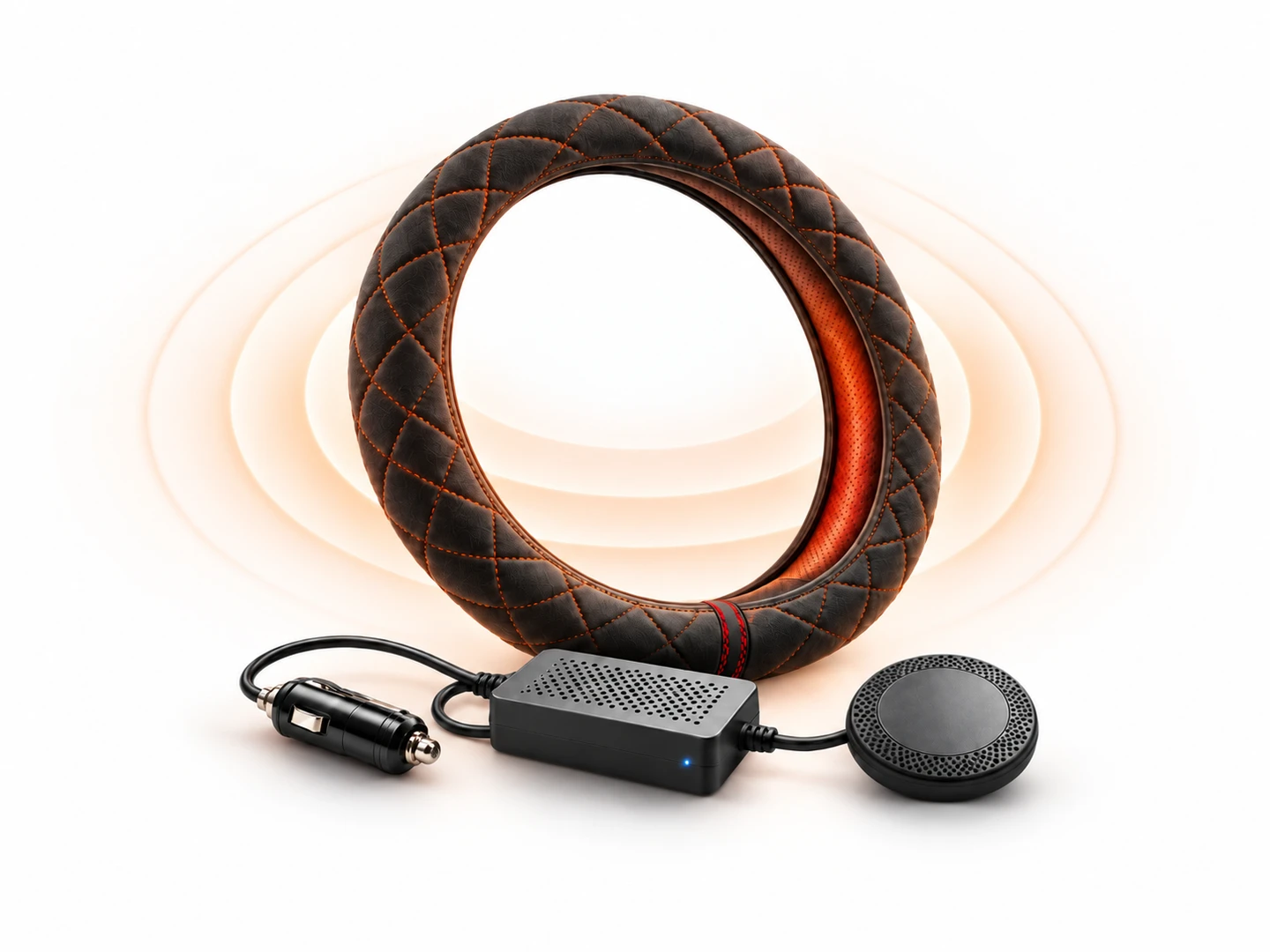
A cold steering wheel can make the first part of a winter journey uncomfortable. A heated cover adds warmth at the surface the driver holds. The interesting engineering question is how to deliver electricity to that cover while the steering wheel turns.
In the SuperPower wireless heated steering wheel cover, the energy comes from the vehicle's 12V supply. A transmitter and receiver transfer it across a contactless interface, then a heating element inside the cover converts that electrical energy into heat. The system does not depend on a rechargeable battery inside the cover.
From Vehicle Power to Steering Wheel Warmth
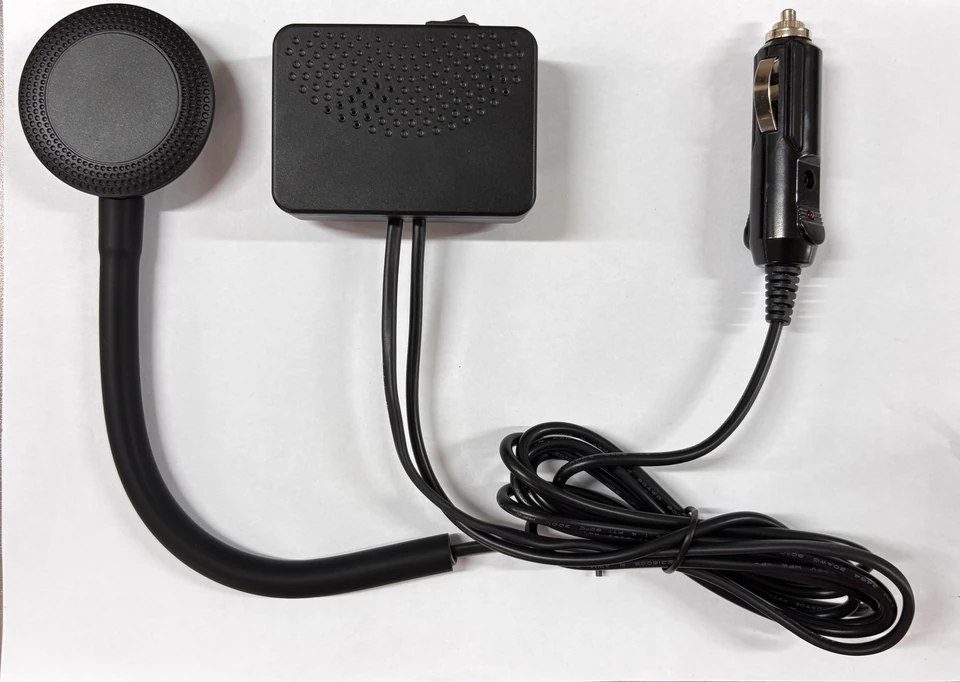
The power path starts at the vehicle's 12V outlet. A plug and cable connect the vehicle supply to the transmitter assembly. On the steering wheel side, a receiver supplies the heating element integrated into the cover.
The sequence is straightforward: vehicle power → transmitter → contactless transfer → receiver → heating element. Each part has a separate job. The vehicle provides the energy, the transmitter and receiver bridge the moving interface, and the heating element produces warmth.
This distinction helps explain the word wireless. It describes the transfer between the transmitter and receiver; it does not mean every part of the system is free of cables. The fixed side still needs a connection to the vehicle power supply.
Power Transfer Without a Rotating Cable
A steering wheel is a moving component, so supplying power across that interface needs a different arrangement from plugging in a stationary accessory. A loose cable running directly from the dashboard to the turning wheel would need careful management of its movement and clearance.
The contactless design transfers energy across a small air gap between the transmitter and receiver instead. It removes the need for a supply cable to wind around the steering wheel as it turns. The receiving side can move with the cover while the vehicle-side supply remains connected to the transmitter.
The installed relationship between these components still matters. Their position, mounting stability and working clearance need to suit the particular steering wheel and surrounding trim. Contactless transfer is a power-delivery method, rather than a guarantee of universal vehicle fit.
How the Cover Produces Heat
Inside the cover, the heating element converts electrical energy into thermal energy. That warmth passes through the surrounding material to the surface in contact with the driver's hands. The cover material and construction therefore form part of the heating experience, alongside the electrical system.
Available SuperPower power configurations are 36–40W and 40–48W, depending on the product version. These figures describe power options, rather than fixed surface temperatures. They should not be read as a promise that every cover reaches the same temperature in the same time.
Ambient temperature, the selected material and the cover's construction all affect how quickly warmth becomes noticeable. A meaningful comparison uses the same starting conditions and checks temperatures at defined surface positions. A single wattage figure cannot describe the complete warm-up experience.
Designed Around Everyday Use
Because the system draws energy from the vehicle supply, there is no cover battery to remove and recharge between journeys. Heating depends on power being available at the vehicle outlet; it is not an independent source of stored energy when the supply is switched off.
The physical fit remains important too. Steering wheel diameter, rim thickness, shape and the space around the wheel affect how the cover and power components can be installed. These details should be checked for the chosen vehicle rather than inferred from an installation photograph. You can contact our team to discuss the fit and configuration for your vehicle.
The basic idea is simple: bring vehicle power to the turning wheel through a contactless interface, then turn that energy into warmth inside the cover. Understanding those two stages makes the technology easier to distinguish from both a conventional wired cover and a rechargeable design.