
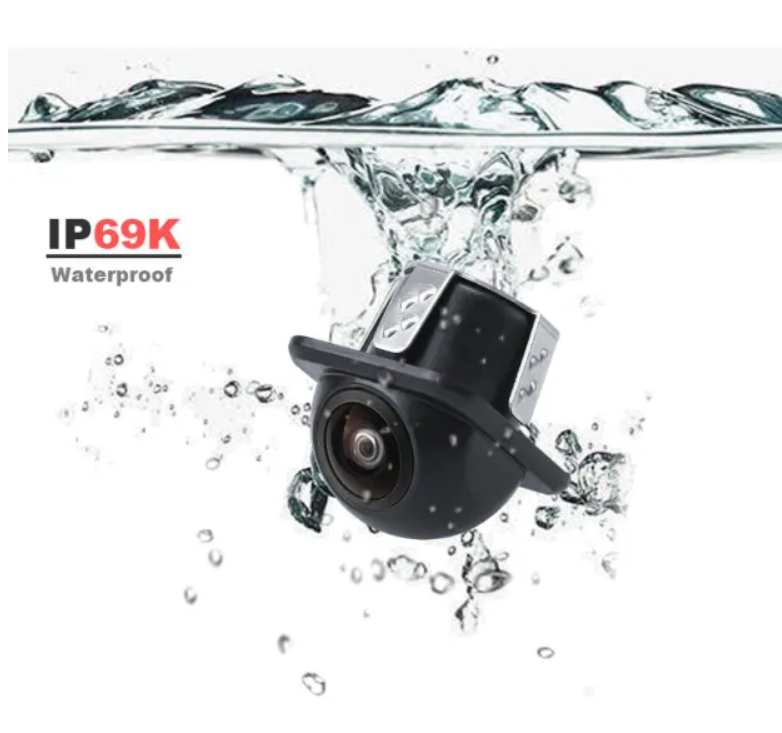
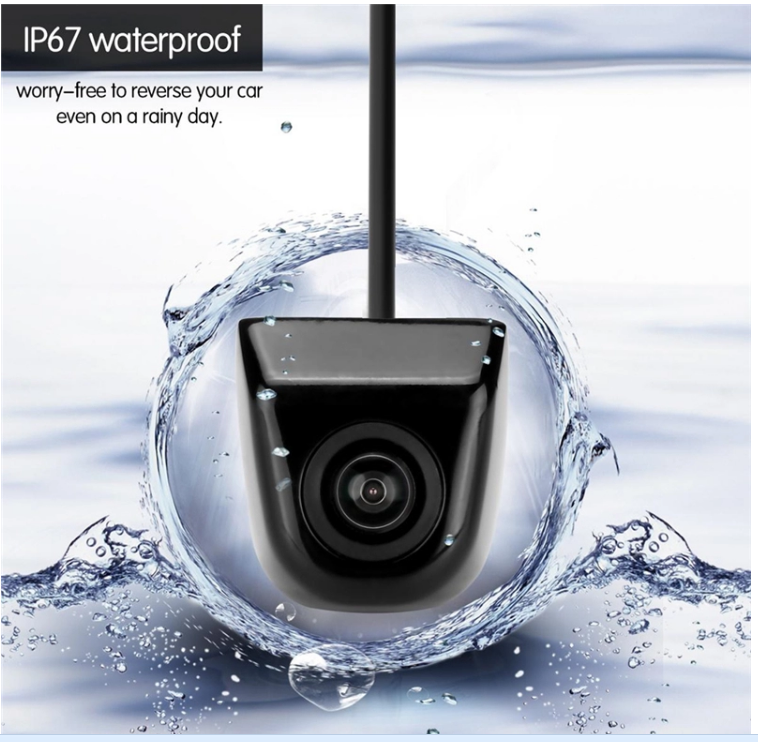
CAM-078 HD Universal Backup Camera
- Mounting use
- Compact rear-view and reversing installations
- Housing rating
- IP69K
- Resolution
- 1920 × 1080
- Output options
- CVBS / AHD
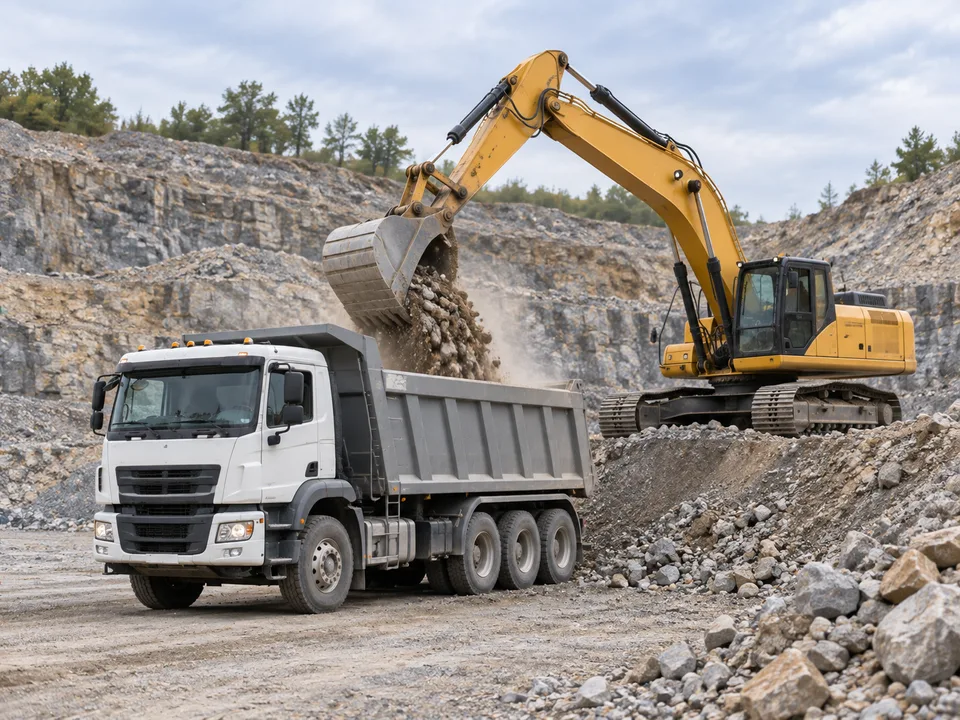
Start with the mounting position and exposure, then compare the camera, signal and display. Confirm cable routing and connection sealing on the final vehicle.
SuperPower project support
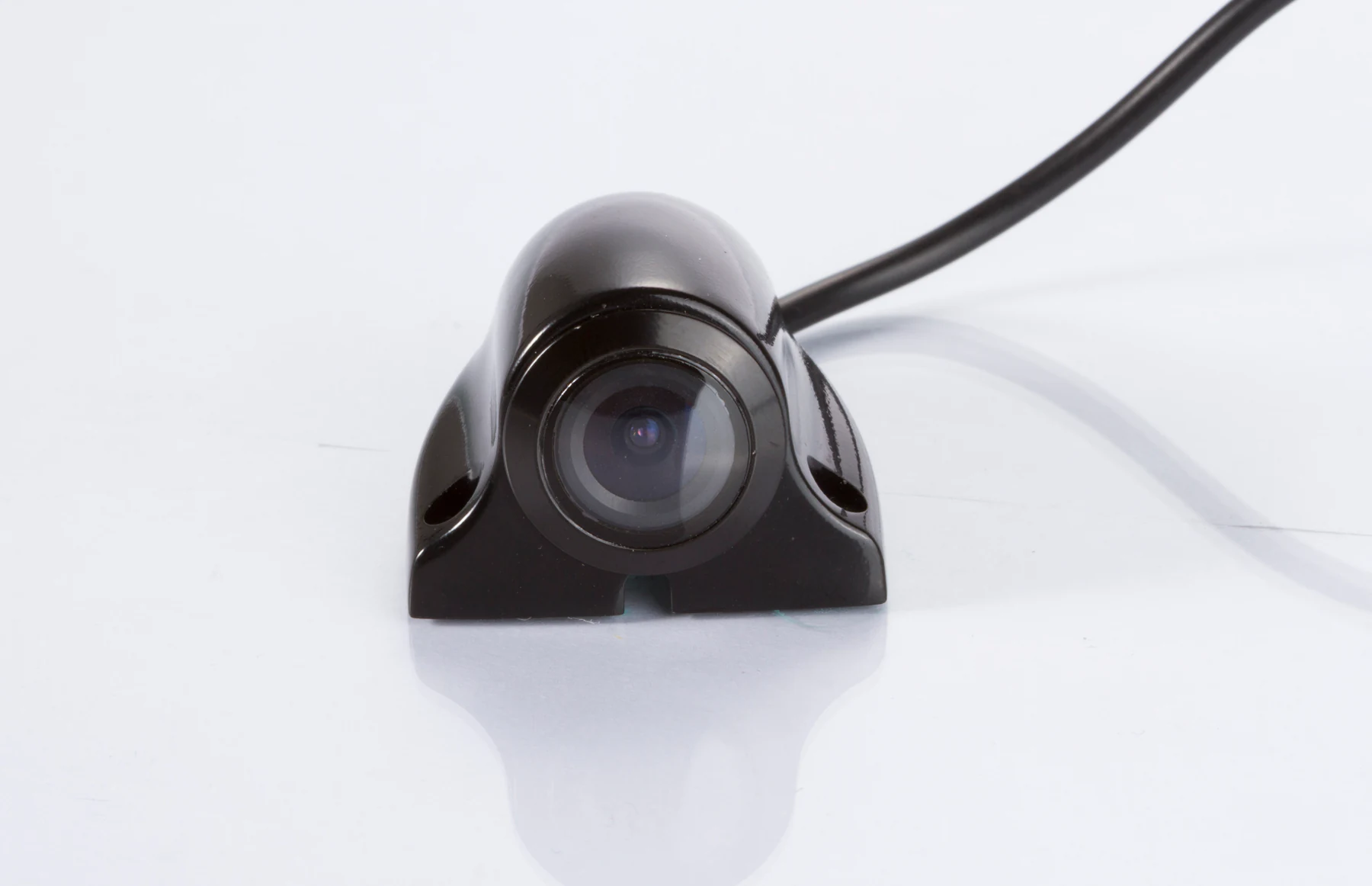
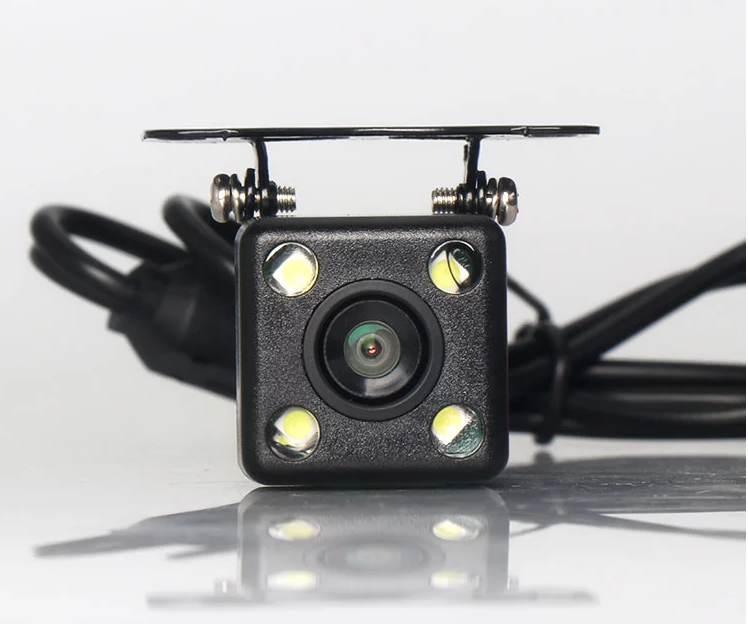
Choose from our commercial vehicle cameras or backup cameras for the required view. Match the output to vehicle camera monitors; the AHD vs CVBS guide explains the signal differences.
IP ratings belong to the individual camera model and do not apply automatically to every camera, monitor, cable or connector.
Rear, side and exterior-body positions face different levels of water, dust, impact risk and cable exposure.
Bracket geometry, mounting surface, field of view and the installed image should be checked on the target vehicle.
AHD or CVBS output must match the monitor or receiving-system input and the selected connector configuration.
Heavy-duty projects require protected cable routing, suitable connectors, harness review and clearance from moving structures.
Identifies dust-ingress protection and temporary water-immersion protection under defined test conditions. Installation and connector sealing still need project review.
Identifies protection tested against high-pressure, high-temperature water jets under defined conditions. Only cameras explicitly listed as IP69K should carry this rating.
 Vehicle Electronics Solution Partner
Camera position, housing exposure, bracket fit and cable protection must be checked around the target machine and work cycle.
excavator camera applicationsRear and exterior visibility projects need installation planning around the body, tipping movement, exposed routes and operating environment.
dump truck camera solutionsReview exterior camera positions, cab display needs, signal compatibility and protected cable routing for the truck body.
truck camera systemsPlan camera positions and cable protection around implements, attachments, dust, water exposure and available cab space.
agricultural vehicle camera applicationsVehicle, market and target specification
Camera, monitor, cable and connector
Sample and functional confirmation
Inspection, packaging and shipment
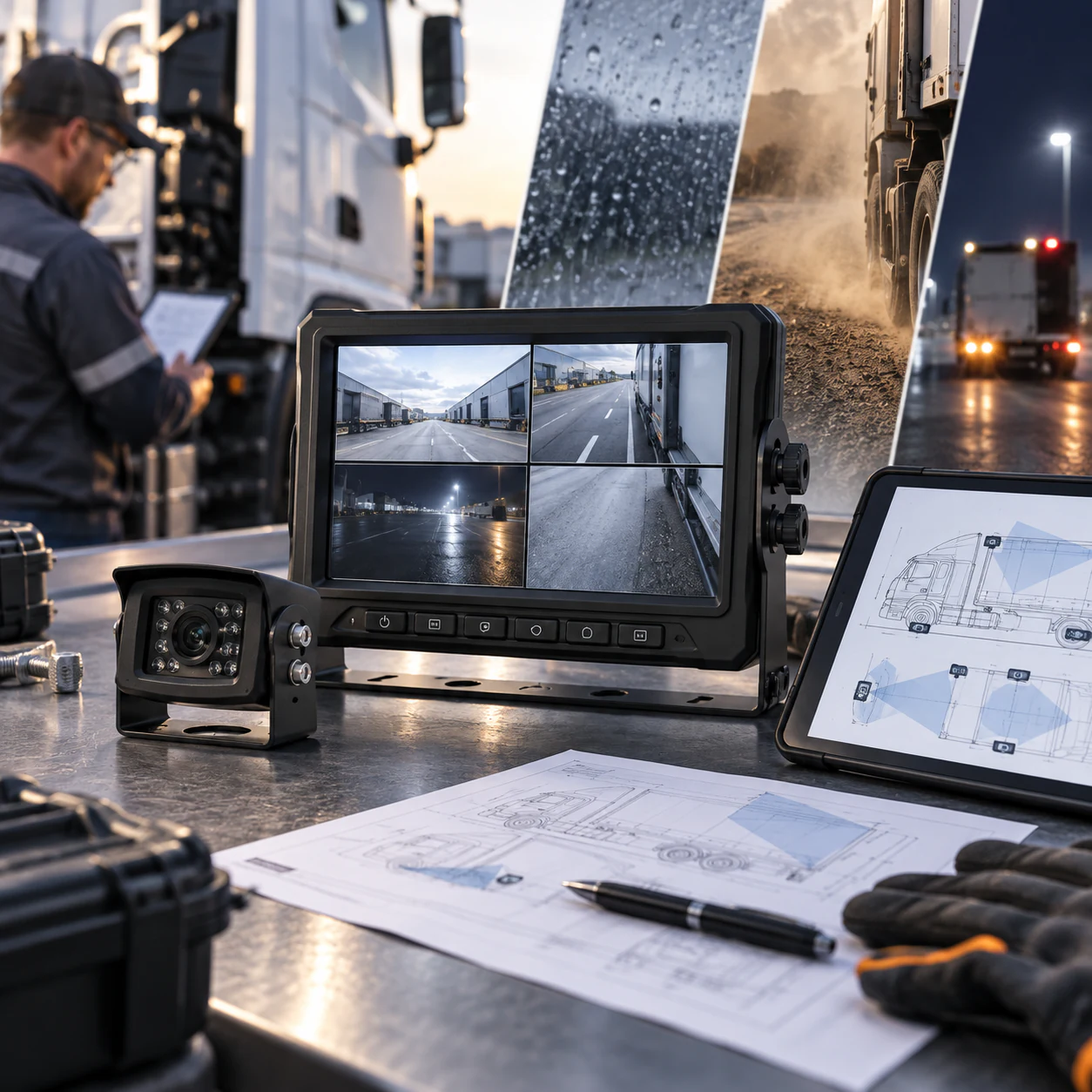
A rugged vehicle camera system is configured around environmental exposure, mounting position, vehicle operating conditions and the confirmed specifications of each camera, monitor and connection component.
IP69K identifies protection tested against high-pressure, high-temperature water jets under defined test conditions. It applies only to an individual camera model that is explicitly rated IP69K; it does not by itself establish an IP69K rating for the connectors, cables, monitor or completed installation.
The complete configured rugged camera system is waterproof, including its supplied camera, connectors, cables and monitor. The IP69K rating applies to the specified camera model; it does not assign IP69K to every other component or to the completed vehicle installation. Confirm the protection details for the quoted configuration and verify the sealing of the final installation on the target vehicle.
No. Protection rating depends on the individual camera model. Check the published specification for the exact camera being considered.
They can be evaluated for construction-vehicle projects, but camera position, mounting, signal, field of view and environmental conditions must be validated on the target machine.
Not necessarily. The camera output signal, monitor input, power, connector and complete project configuration must be compatible.
Connector, mounting, harness, branding, configuration and vehicle-application requirements can be discussed. Final availability and compatibility are confirmed for the selected models and project.
Share the vehicle, camera position, operating environment and compatibility requirements so the proposed models can be checked before quotation.
Response within 24 hours Confidential project review